History
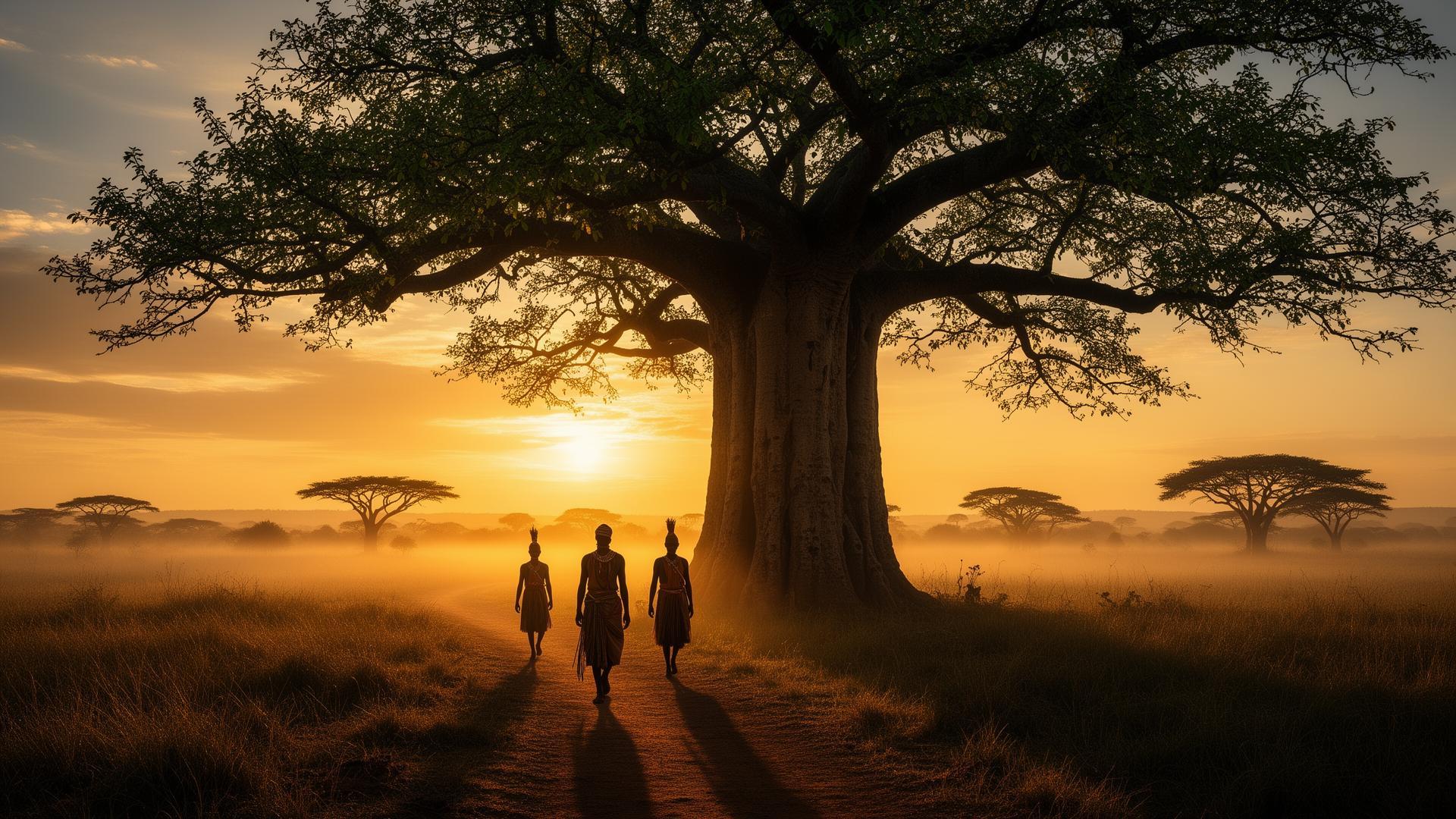
A Lineage of Healing
From ancestral wisdom under the baobab to a 21st-century continental movement.
Roots in Indigenous Wisdom
African societies developed extensive systems of healing based on local ecosystems, cultural beliefs, and experiential knowledge. Indigenous practitioners utilized medicinal plants, dietary therapies, physical treatments, and spiritual guidance to promote wellness.
Suppression and Resilience
During colonial rule, many African traditional health systems were marginalized in favor of Western biomedical models. Despite these challenges, indigenous herbal medicine and holistic healing traditions remained deeply embedded in local communities. Following independence, renewed interest emerged in preserving and legitimizing traditional medical knowledge.
16th–17th Century Europe
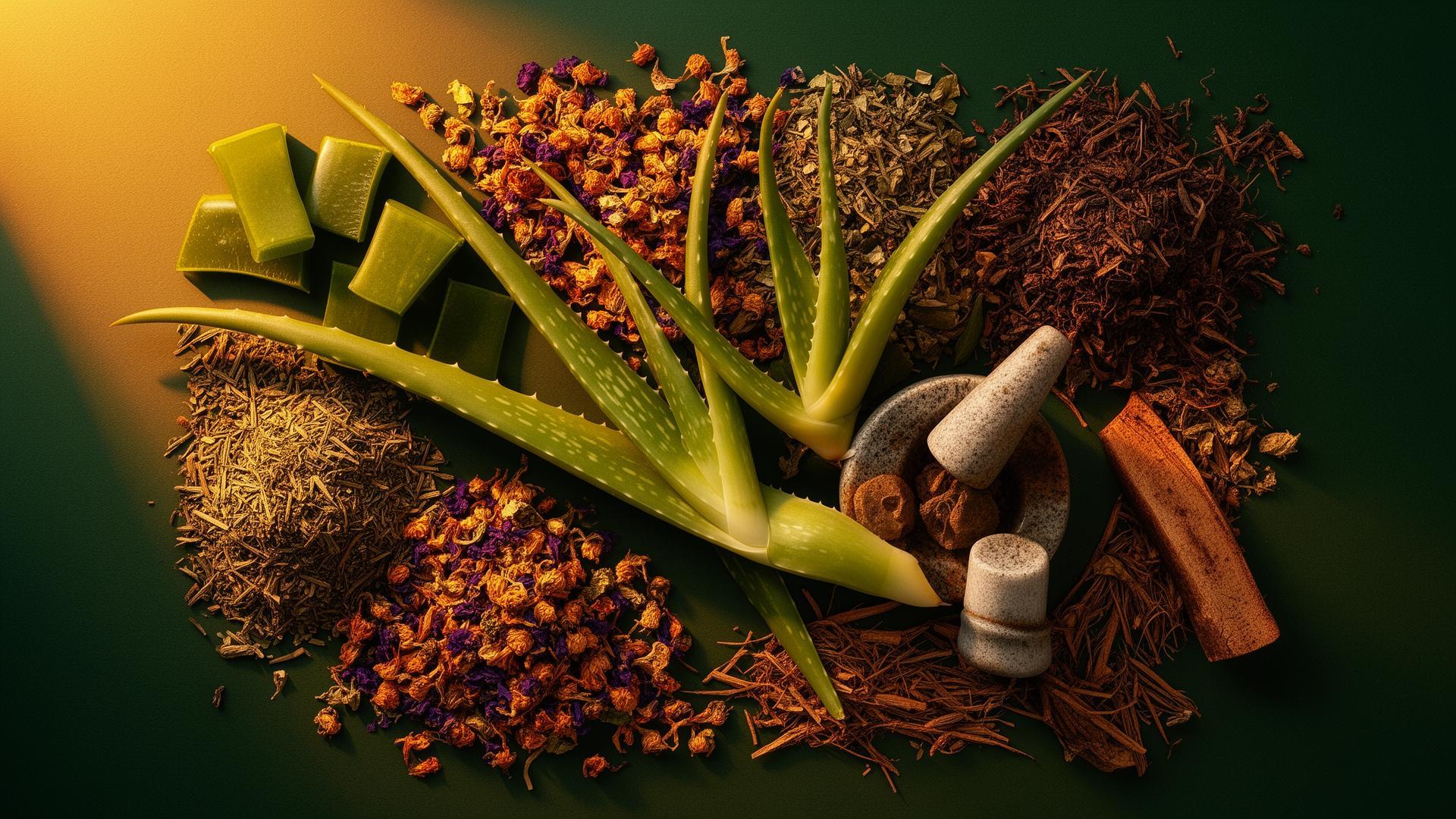
Many of the philosophical foundations of naturopathy emerged in Germany and other European countries during the 16th and 17th centuries, where physicians and natural healers promoted hydrotherapy, herbal medicine, nutrition, and nature cures.
The Codification of Modern Naturopathy
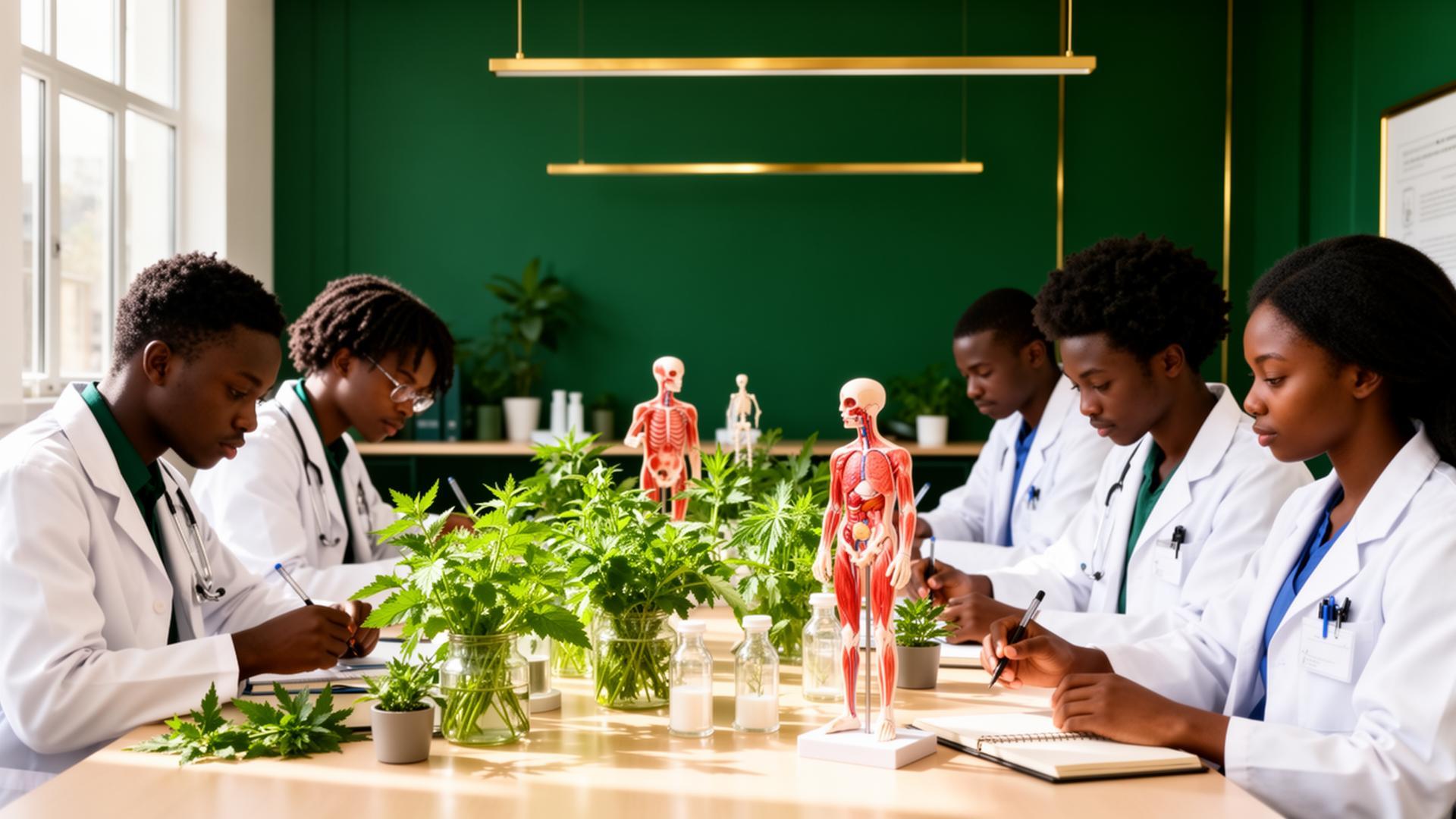
North America is widely regarded as the home of modern naturopathic medicine. North American institutions played a key role in codifying the core naturopathic principles, theories, and clinical modalities now recognized globally — including the healing power of nature, treating root causes, and emphasizing prevention.
Adaptation Across Continents
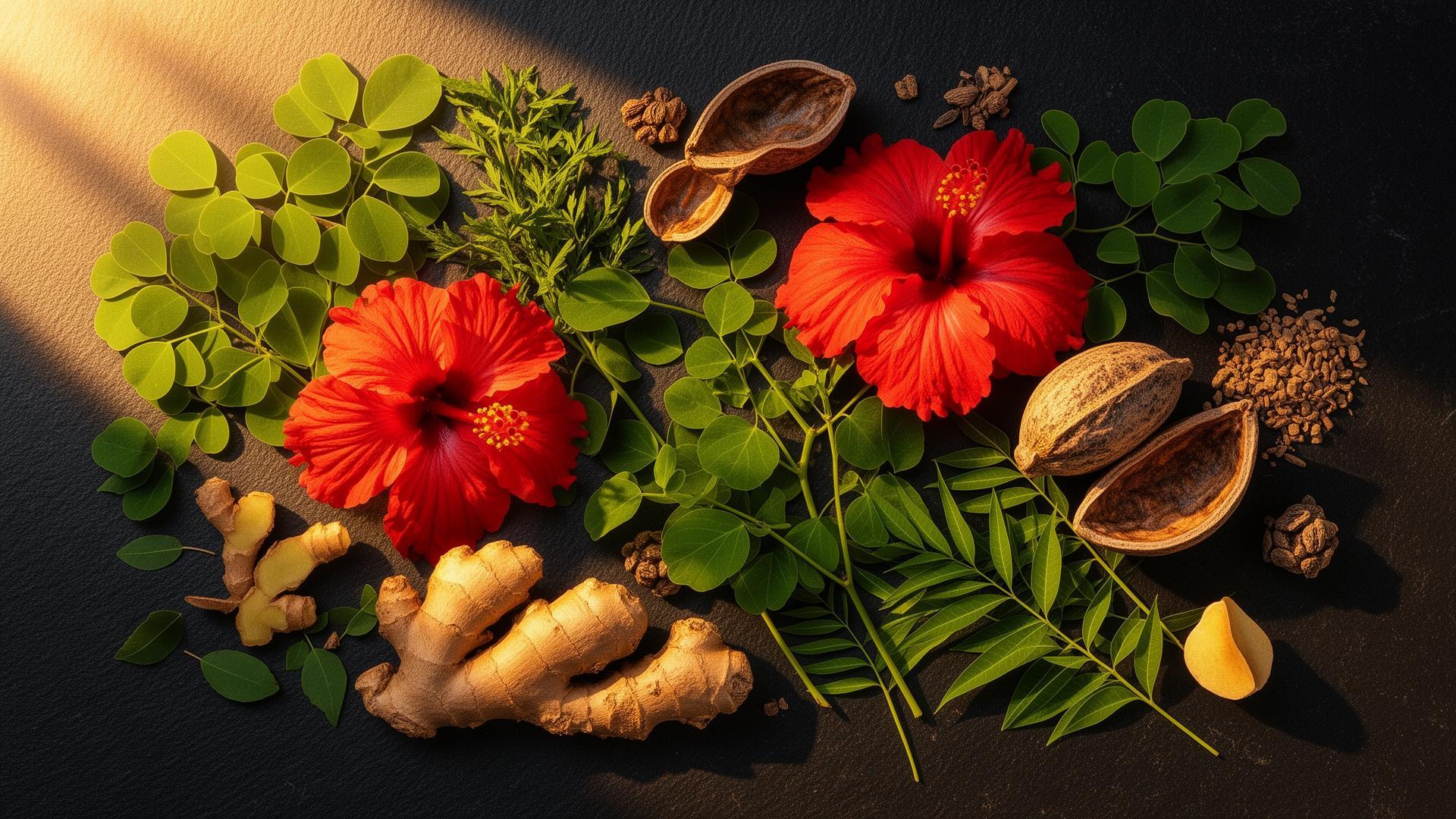
Practitioners trained in Europe or North America introduced naturopathy to other countries, integrating it with local traditional systems. For example, naturopathy was introduced to India after a medical doctor trained in Europe adopted naturopathic methods and integrated them with Indian traditional health philosophies.
A Continental Movement Rises
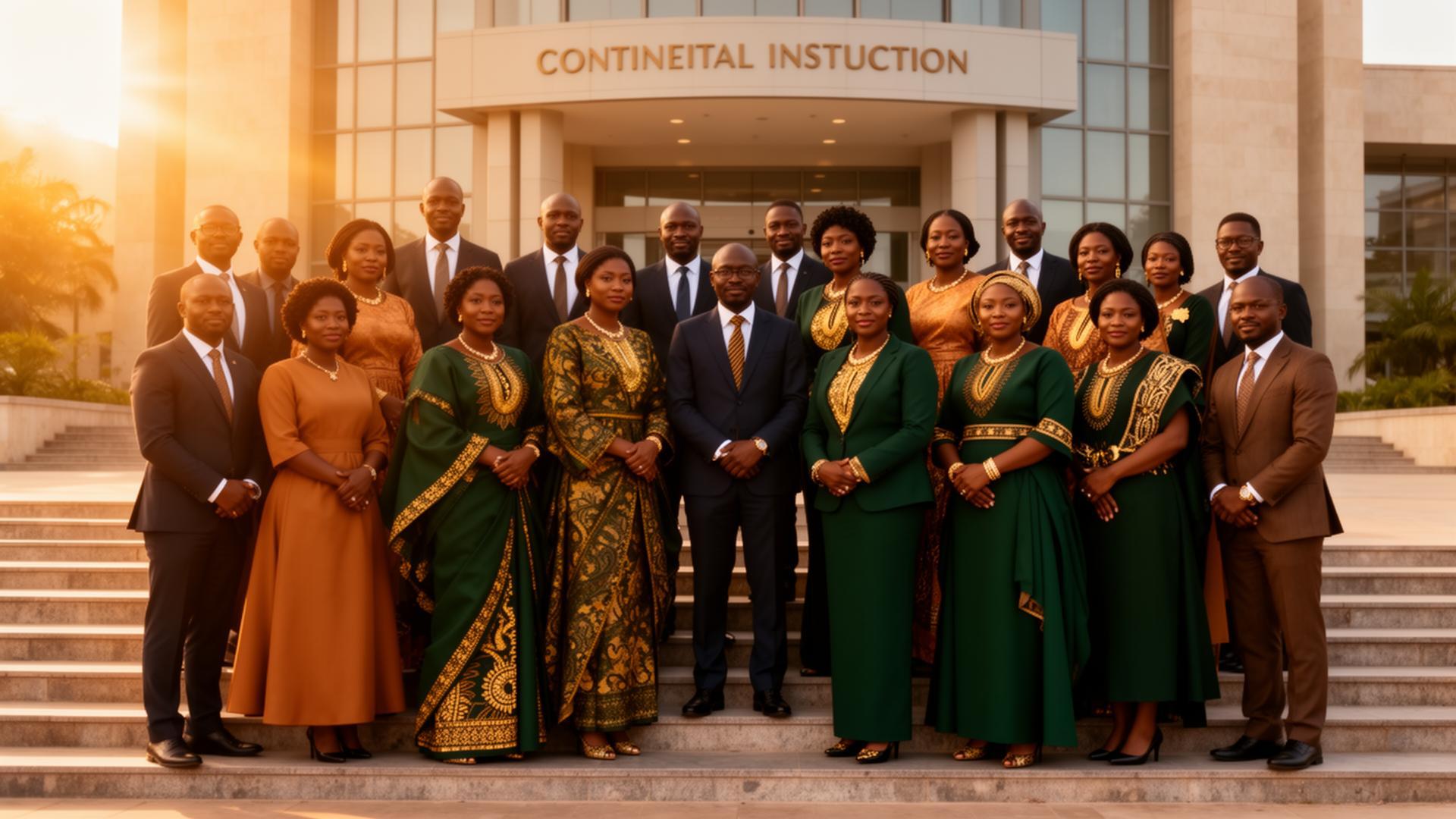
African naturopathy is undergoing significant development through the establishment of training institutions, professional associations, and continental networks. Organizations such as the African Naturopathic Federation are formalizing the profession by promoting collaboration among practitioners, educators, and policymakers throughout the continent.
Today
"A synthesis of African traditional healing systems with global naturopathic science — creating a uniquely African framework for holistic, preventive, and culturally grounded healthcare."